Why Piecemeal Reforms May Not Fix Nigeria’s Troubled Police Force
Growing Anger Over Police Brutality
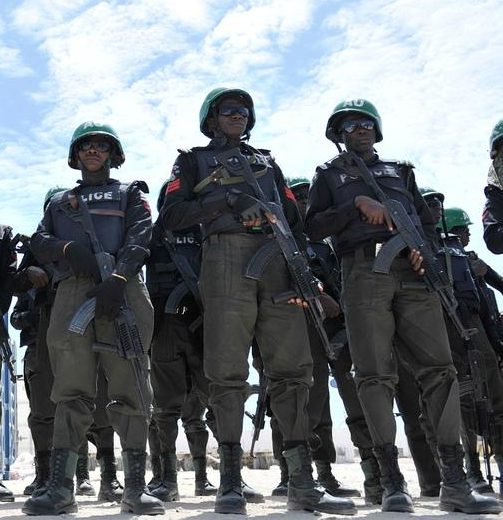
Growing public anger over alleged brutality by Nigeria’s Special Anti-Robbery Squad, SARS, has renewed scrutiny of deeper problems within the Nigeria Police Force and raised questions about whether repeated reforms can produce meaningful change.
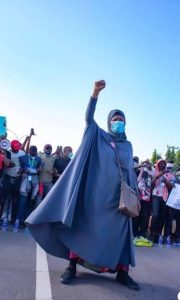
The #EndSARS campaign gained momentum as Nigerians shared accounts of alleged harassment, extortion, torture and unlawful killings involving SARS personnel. Although police authorities responded with promises to reorganise the unit and investigate complaints, critics argued that similar reforms had been announced in the past without ending abuses.
Years of Alleged Torture and Abuse
For years, Nigerian and international human rights organisations have documented allegations of torture and ill-treatment in police custody. Reports by groups including Amnesty International, Human Rights Watch and the Network on Police Reform in Nigeria described practices ranging from severe beatings and prolonged restraint to denial of medical treatment and other forms of abuse.
Concerns have also been raised about the use of torture to obtain confessions and information from detainees. Rights organisations have alleged that some suspects were subjected to abuse until they confessed, while others were pressured to pay bribes to secure their release.
A Culture of Impunity
Critics say one of the biggest obstacles to reform has been a culture of impunity. Complaints against officers are often investigated within the same police institution, while disciplinary measures have frequently been criticised as inadequate.
In some cases, accused officers have reportedly been transferred rather than prosecuted, raising concerns about whether internal disciplinary measures are enough to deter misconduct.
Structural Problems Within the Police
The problem is not limited to misconduct by individual officers. Analysts have pointed to structural challenges including inadequate funding, poor working conditions, weak investigative capacity, insufficient training and low salaries.
Nigeria’s history has also influenced the development of its policing system. Decades of colonial rule, military governments and political instability contributed to a policing culture that critics say has traditionally emphasised force and state control rather than community service and accountability.
Reforms Have Been Tried Before
Successive governments have introduced several measures intended to tackle police misconduct. These have included anti-torture initiatives, complaint mechanisms, operational guidelines and previous restructuring of SARS.
However, rights advocates argue that these measures have failed to address the fundamental problem because accountability mechanisms remain weak and largely dependent on the police investigating themselves.
Although Nigerian law and international agreements prohibit torture and other forms of cruel or degrading treatment, campaigners say enforcement has remained inconsistent.
Problems a Few Reforms May Not Solve
Critics say limited administrative reforms cannot solve the deeper problems confronting the police because many of the challenges are structural and institutional.
Among the major concerns are a culture of impunity, weak accountability for senior officers, torture and excessive use of force, allegations of extrajudicial killings, extortion and bribery.
Other concerns include arbitrary arrests, prolonged detention, weak complaint mechanisms and fear of retaliation among victims who attempt to report police misconduct.
Inadequate funding, poor salaries and welfare, insufficient training and weak forensic and investigative capacity have also been identified as serious problems.
Critics also point to excessive reliance on confessions, sometimes obtained under questionable circumstances, rather than evidence gathered through modern investigative methods.
Political Interference and Weak Oversight
The policing system has also been criticised for being highly centralised and vulnerable to political interference.
Independent oversight bodies have often been described as lacking sufficient authority, resources or independence to properly investigate serious allegations against police officers.
Critics argue that expecting the police to investigate themselves creates an obvious accountability problem and reduces public confidence in the outcome of such investigations.
Existing Laws, Weak Enforcement
Another major concern is the gap between existing laws and their implementation.
Nigeria already has legal provisions prohibiting torture and unlawful treatment, but critics argue that weak enforcement allows abusive practices to continue.
Without consistent investigations, prosecutions and meaningful disciplinary action, campaigners say additional regulations may have little effect.
Renaming a Police Unit Is Not Enough
Repeated restructuring of police units has therefore been criticised as inadequate.
Renaming a unit, transferring officers or issuing new operational guidelines does not necessarily change the institutional culture, incentives or leadership failures behind abuses.
Critics argue that officers accused of serious misconduct should not simply be moved into other formations without proper investigation, accountability and retraining.
Breakdown of Public Trust
Years of allegations of harassment, extortion and brutality have also weakened trust between the police and the communities they are expected to protect.
Victims and their families may struggle to obtain justice, while compensation for proven abuses can be difficult to secure.
For critics of SARS, restructuring the unit alone is therefore unlikely to resolve the problem. They contend that the abuses associated with SARS reflect wider weaknesses within the Nigeria Police Force.
From #EndSARS to Broader Police Reform
The growing #EndSARS movement consequently became more than a campaign against one police unit.
It developed into a broader demand for accountability, independent oversight, better training and welfare, improved investigative capacity, prosecution of officers found responsible for crimes and a fundamental change in policing culture.
For many protesters and rights advocates, ending SARS was only the beginning. The larger challenge was transforming a police system they believed required far deeper institutional reform than a simple change of name or command structure.