How Supporters Club Distractions Affected the Super Eagles
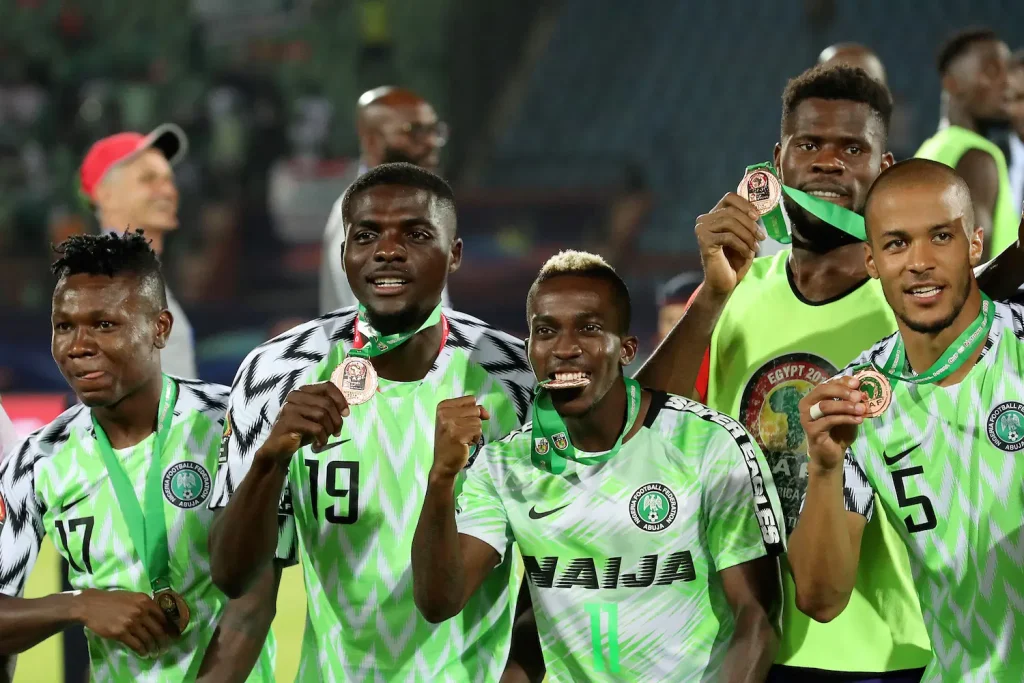
The Nigeria Football Supporters Club was once one of the most united and recognised supporters groups in African football, but years of internal divisions have weakened its influence and affected the coordinated support once enjoyed by the Super Eagles.
The club gained international recognition during Nigeria’s successful football campaigns in the 1990s, particularly at the 1994 Africa Cup of Nations in Tunisia and the FIFA World Cup in the United States.
Led by businessman Rafiu Ladipo, the supporters became famous for their colourful appearances, drums and songs during Super Eagles matches.
Their presence was regarded as an important source of motivation for the national team, and the group attracted support from sponsors and government officials.
However, disagreements over leadership gradually created divisions within the organisation.
Ladipo, who had become the most prominent figure in the club, eventually stepped aside as national chairman but assumed the position of President-General Worldwide, giving him responsibility for activities involving the Super Eagles outside Nigeria.
Yusuf Aderenle subsequently became national chairman, but disputes over Ladipo’s continued influence reportedly created further tension within the organisation.
The disagreement eventually led to the emergence of another faction headed by Vincent Okumagba, known as the Super Eagles Supporters Club.
The Nigeria Football Federation later recognised the Okumagba-led group, further deepening the rivalry between the competing supporters organisations.
The divisions also created challenges during international tournaments.
Ahead of the 2014 FIFA World Cup in Brazil, rival groups reportedly submitted large numbers of visa applications, leading to concerns at the Brazilian Embassy over the authenticity of some applicants.
The disagreement between the supporters groups continued in subsequent years, with more factions emerging.
Another group, the Authentic Nigeria Football Supporters Club, was later formed under the leadership of Abayomi Ogunjimi.
The increasing number of rival supporters clubs meant that the once-united group was now divided into different organisations competing for recognition, sponsorship and access to Super Eagles matches.
Critics argued that the divisions reduced the effectiveness of Nigerian supporters at major tournaments and created unnecessary distractions around the national team.
Instead of presenting a single organised group capable of providing coordinated support to the Super Eagles, the competing factions often became occupied with leadership disputes and struggles for recognition.
For a national team competing at major international tournaments, supporters can play an important role in creating atmosphere and motivating players.
The experience of the Nigeria Football Supporters Club therefore highlights the importance of unity, organisation and cooperation if supporters are to continue playing a meaningful role in backing the Super Eagles.