Angry Reactions Trail Increase in Fuel Price and Electricity Tariff
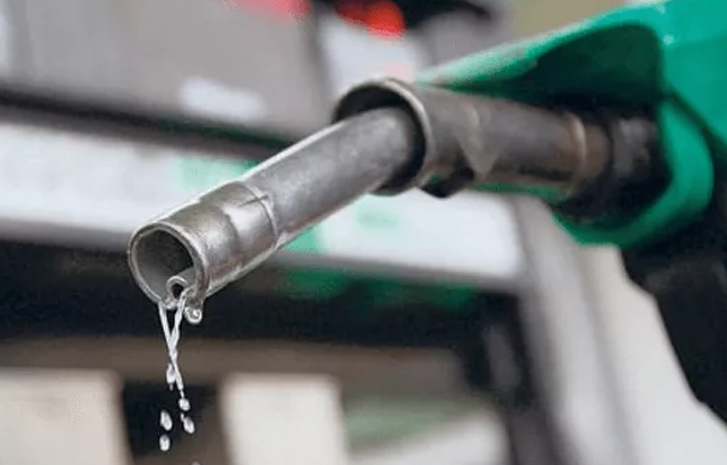
The increase in the price of petrol and electricity tariffs has sparked widespread criticism from Nigerians, opposition figures and civil society organisations, many of whom argued that the measures would worsen economic hardship.
The Pipelines and Product Marketing Company (PPMC), a subsidiary of the Nigerian National Petroleum Corporation (NNPC), announced an increase in the price of petrol to N151.56 per litre.
The development came alongside an increase in electricity tariffs, prompting strong reactions on social media and from public figures.
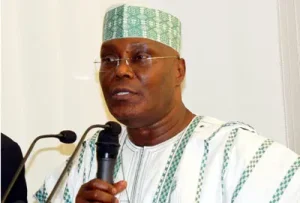
Former Vice-President Atiku Abubakar criticised the electricity tariff increase, describing the timing as inappropriate given the economic difficulties caused by the COVID-19 lockdown.
“I reject the increased electricity tariffs,” Atiku said, arguing that Nigerians emerging from months of economic restrictions required support rather than additional financial pressure.
He noted that many people had experienced significant reductions in income during the lockdown and said the increase could further strain household finances.
The Socio-Economic Rights and Accountability Project (SERAP) also called for the reversal of the petrol price increase.
The organisation argued that higher fuel prices could have wider consequences for transportation costs and the prices of essential goods, particularly for low-income households.
Former Chairman of the Manufacturers Association of Nigeria in Ogun State, Wale Adegbite, warned that the increase in energy costs could raise production expenses for manufacturers.
According to him, businesses could ultimately transfer those additional costs to consumers through higher prices, potentially contributing to inflation.
The increases also generated criticism from Nigerians on social media, with some questioning the government’s economic policies and recalling previous statements made about fuel prices before President Muhammadu Buhari assumed office.
The reactions reflected growing concern over the combined impact of higher fuel and electricity costs at a time when households and businesses were still dealing with the economic effects of the COVID-19 pandemic.